Custom Cast Polyurethane Mouldings
From initial enquiry through tooling, casting, and CNC machining — all under one roof in Queensland.
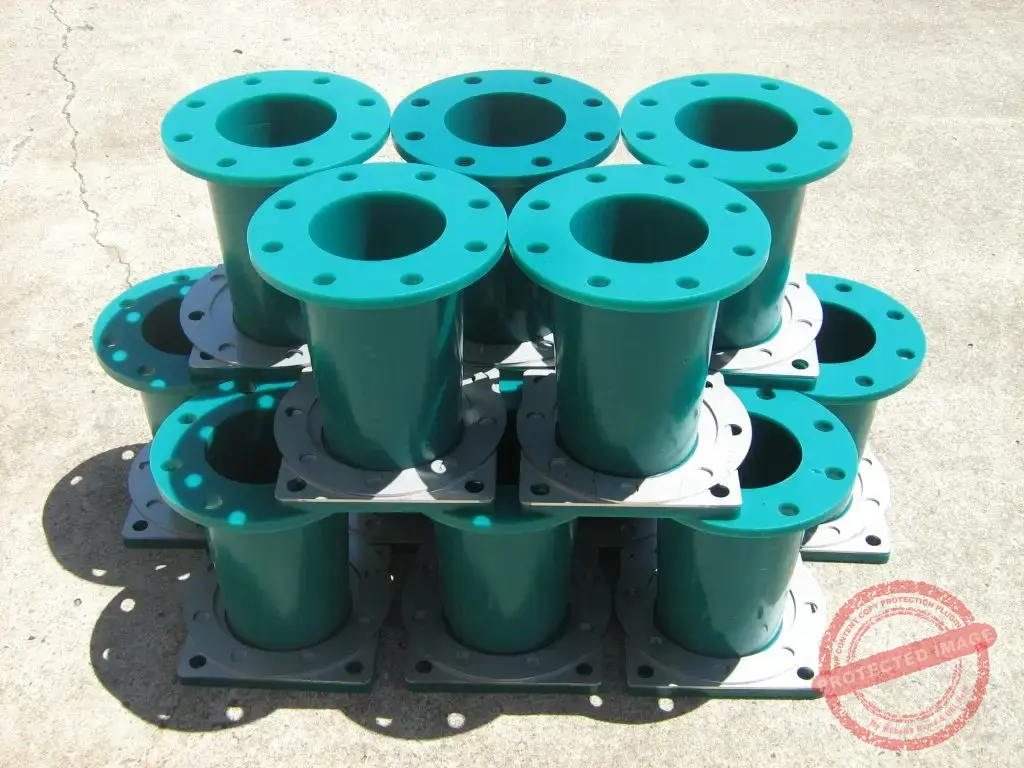
The ability to manufacture custom polyurethane mouldings — from single prototypes through to production runs of 1,000 or more — is the core capability that distinguishes a true manufacturer from a distributor. Elastomers Queensland has manufactured custom mouldings since 1979. We carry out every step in-house: designing the tooling, making the tooling, casting the polyurethane, and machining the finished component.
Our customers range from engineering firms needing a single prototype for design validation, to OEMs requiring regular production quantities of wear components for their equipment, to maintenance engineers who need a replacement part for a machine whose original supplier no longer exists. All of these applications follow the same process: enquiry, design, tooling, cast, machine, deliver.
The Custom Moulding Process
Enquiry: The process begins with a description of what you need. A drawing is ideal, but not always available. We work with customers who have a worn original part, a napkin sketch, or simply a description of the problem they need solved. The more detail you can provide about the application — load, speed, temperature, chemical exposure, mating surfaces — the better we can specify the polyurethane formulation and geometry.
Design and tooling: Our engineering team uses SolidWorks 3D CAD to design moulds for custom parts. Where drawings are provided, we translate them directly into tooling geometry. Where we are starting from a description or a worn part, we work with the customer to finalise the design before committing to tooling. Tooling is manufactured in-house on our CNC machining centres.
Casting: Once tooling is ready, the polyurethane is mixed, degassed, and cast into the mould at the correct processing temperature for the formulation being used. Cure times vary by formulation. After demoulding, parts go through dimensional inspection before any machining work.
Machining: Most moulded components require some machined surfaces — bores, faces, slots, or profiles — that cannot be achieved in a moulded surface. Our CNC lathes and machining centres finish these surfaces to the specified tolerances.
Delivery: Finished parts are inspected, packed, and dispatched. For ongoing production requirements, we maintain tooling in our facility and schedule production runs to agreed lead times.
Run Sizes: Prototype to Production
We have no minimum order quantity. A single prototype costs more per unit than a production run, but we quote honestly and manufacture to the same standard regardless of quantity.
For prototype runs of 1–10 pieces, we typically use aluminium tooling that can be produced quickly and cost-effectively. Aluminium tooling has a limited life but is adequate for design validation runs and small-volume production.
For production runs of 20 pieces or more, steel tooling is the investment-efficient choice. Steel moulds last for thousands of cycles and produce consistent parts across long production runs. We discuss tooling type and amortisation strategy with customers at the enquiry stage.
For regular ongoing production, we maintain your tooling in our facility and schedule production against your call-off schedule. This arrangement suits OEMs and maintenance contracts that require a predictable supply of wear components.
Insert Bonding and Over-Moulding
Many custom mouldings incorporate steel, aluminium, or other inserts that are encapsulated within the polyurethane during the casting process. This creates a composite component where the mechanical properties of the metal (rigidity, machinability, thread strength) are combined with the surface properties of polyurethane (wear resistance, impact absorption, grip).
Typical insert-bonded components include wheels bonded to steel hubs, liners bonded to steel backing plates, and custom components with threaded inserts for attachment. The chemical bond between polyurethane and properly prepared metal inserts is very strong — it is typically the polyurethane itself, not the bond, that determines the service life of the component.
Specifications
Frequently Asked Questions
Request a Quote
We respond within 1 business day.
Related Products
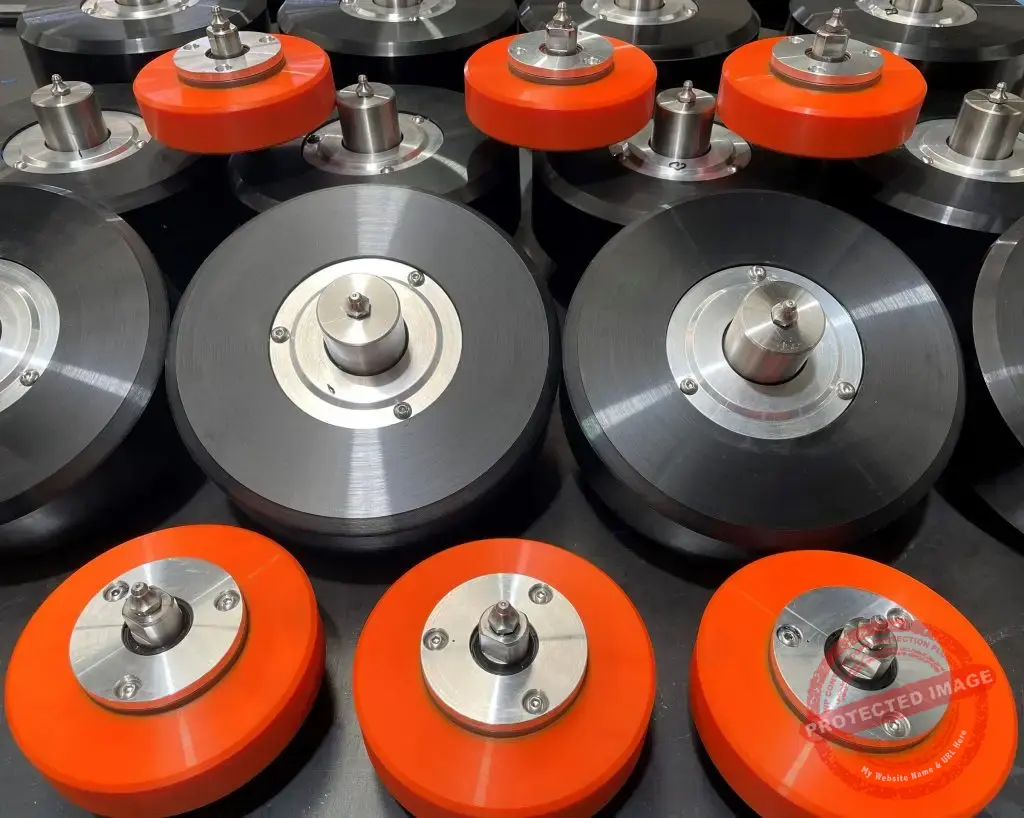
Polyurethane Wheels
Cast polyurethane wheels for mining, material handling, agriculture and marine applications. Custom sizing, hardness 40A–80D.
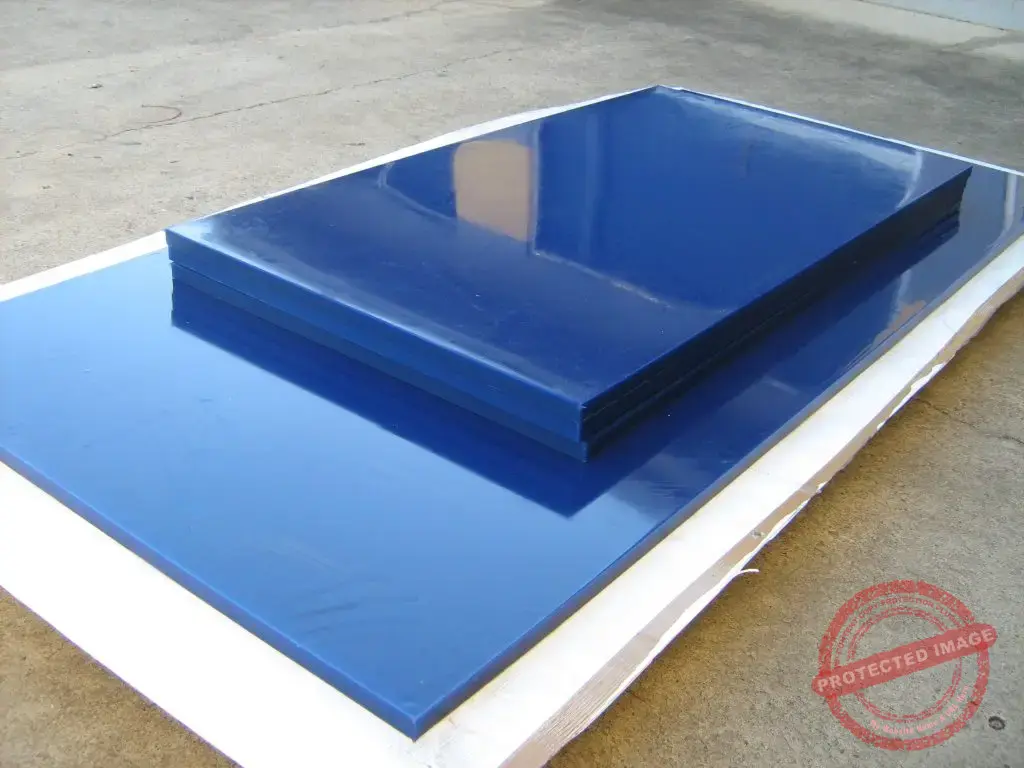
Polyurethane Sheet, Rod & Tube
Cast polyurethane sheet, rod, tube and bushes in standard and custom dimensions. Harder-wearing than rubber, stiffer than nylon.
Need a custom polyurethane component?
We manufacture from 1 piece to 1,000+. Send us your drawings or describe your application.