If you work in underground mining in Australia, you have encountered the term FRAS. It appears on product data sheets, in procurement specifications, in safety management plans, and in regulatory requirements. But what does it actually mean, what does the testing involve, and when is it legally required versus simply good practice?
This article answers those questions for mine site engineers, safety managers, and procurement personnel who need to understand FRAS requirements without necessarily having a materials engineering background.
What Does FRAS Stand For?
FRAS stands for Fire Retardant Anti-Static. It describes a polyurethane material that has been formulated and tested to exhibit both fire retardancy and anti-static properties. Both must be present — a material with only one of the two properties does not qualify as FRAS.
Fire retardancy means the material does not sustain combustion after the ignition source is removed. Place a flame on a FRAS polyurethane sample and the material will char; remove the flame and it self-extinguishes. This is fundamentally different from fire resistance — FRAS does not mean the material cannot be ignited, it means it does not keep burning once the ignition source is gone.
Anti-static means the material dissipates electrostatic charge rather than accumulating it. The electrical resistance of FRAS polyurethane falls within a defined range — low enough to allow charge to leak away before it can build up to ignition levels, high enough that it does not create electrical conduction hazards.
Why These Properties Matter Underground
Underground coal mines contain methane gas, which is flammable and can reach explosive concentrations. Underground hard rock mines may contain other flammable gases depending on the geology, and both mine types have confined spaces that limit ventilation compared to surface environments.
Any non-metallic component in these environments is a potential fire risk if it does not self-extinguish. Standard polyurethane, rubber, and many plastics will sustain combustion once ignited — they will keep burning until the fire is extinguished or the material is consumed. In an underground environment, this creates an unacceptable risk.
Static charge is a separate but related risk. Conveyor belts, personnel movement, and material handling all generate electrostatic charge. In an atmosphere that contains methane or coal dust at explosive concentrations, a static discharge can be the ignition event that starts a fire or explosion. Anti-static materials that dissipate charge before it builds to dangerous levels are a fundamental safety control.
The combination of fire retardancy and anti-static properties addresses both the fuel and the ignition pathways for fire and explosion events in underground mining.
TRG3608 — The Australian Compliance Framework
TRG3608 (formerly MDG3608) is the NSW Resources Regulator technical reference guide that defines the technical requirements for FRAS materials in underground coal mining. Despite its NSW origin, TRG3608 has effectively become the national reference accepted by mine operators across Australia for FRAS materials.
TRG3608 specifies the test methods that must be used to demonstrate FRAS properties, the performance criteria that must be achieved, and the documentation requirements that manufacturers must maintain. The guideline covers three categories of non-metallic materials used underground: conveyor belts, conveyor rollers, and all other non-metallic materials (which includes polyurethane components).
For polyurethane products to be classified FRAS under TRG3608, they must be tested to Australian Standards for fire behaviour (AS 1334.11) and antistatic properties, achieve defined pass criteria in those tests, and the manufacturer must maintain batch records linking each production batch to the tested formulation. This documentation chain is what allows a mine operator to verify that a component supplied today was manufactured to the same specification as the component that was tested.
When is FRAS Required?
FRAS polyurethane is legally required for non-metallic components used in underground coal mines in Australia. This requirement exists in mining regulations across Australian jurisdictions, not just as industry good practice.
For underground hard rock mines, FRAS requirements vary by jurisdiction and specific mine conditions, but most mine operators apply FRAS requirements as standard practice for all non-metallic components used in underground environments.
For surface mining operations — open-cut coal, open-cut iron ore, surface processing facilities — FRAS is generally not a regulatory requirement. Some mine operators extend FRAS requirements to surface operations as an internal safety standard, but this is a policy decision, not a legal one.
The practical rule: if the component will be used below the surface in an underground mine, specify FRAS. If it is a surface application, standard polyurethane provides equivalent mechanical performance at lower cost.
FRAS Products from Elastomers Queensland
Elastomers Queensland manufactures FRAS polyurethane products for the Australian underground mining industry from our Clontarf, Queensland facility. Our FRAS range covers sheeting, rollers, wear liners, conveyor accessories, and custom mouldings for underground applications.
As a Brisbane-based manufacturer, we provide a supply chain advantage for mine sites across Australia — faster delivery, quicker refurbishment turnaround, and the ability to respond to urgent requirements.
Contact us with your FRAS requirements. We will advise on the appropriate product specification, confirm current compliance documentation, and provide a quotation.
Related Industries
Related Products
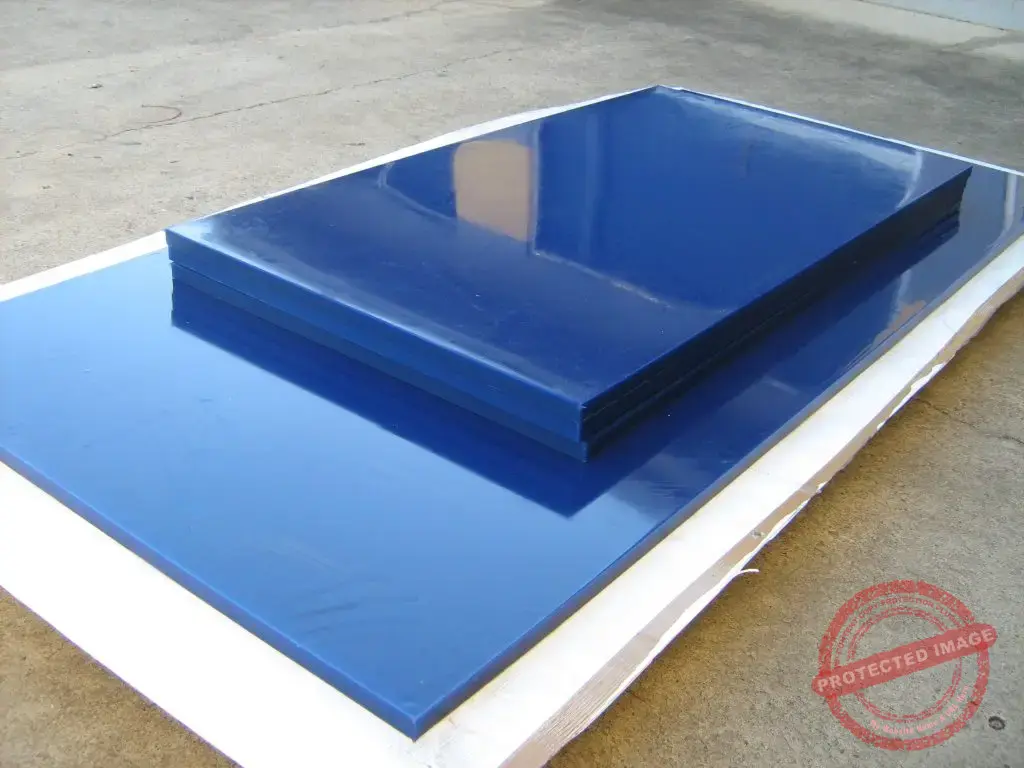
Polyurethane Sheet, Rod & Tube
Cast polyurethane sheet, rod, tube and bushes in standard and custom dimensions. Harder-wearing than rubber, stiffer than nylon.
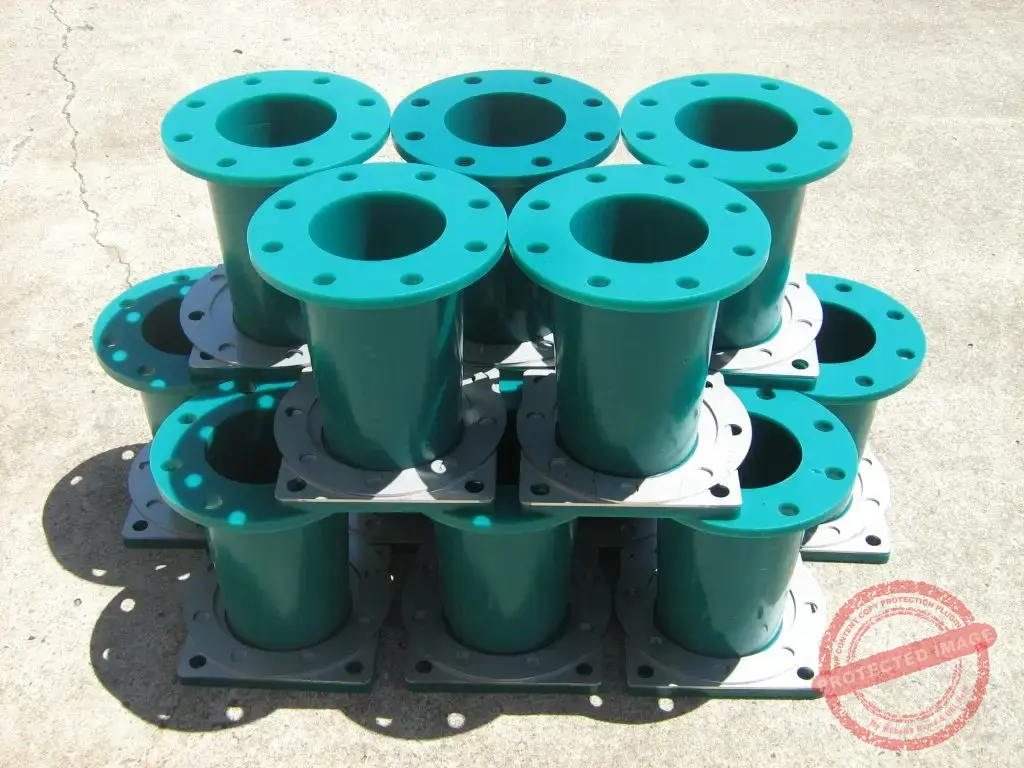
Custom Moulded Polyurethane
Full custom moulding from prototype to production run. In-house tooling, SolidWorks CAD, runs from 1 to 1,000+. No minimum order.