Hardness is one of the most important specifications in polyurethane selection, but the two measurement scales — Shore A and Shore D — cause persistent confusion among engineers who are not regular users of elastomeric materials.
This article explains what Shore hardness is, how the two scales relate to each other, and how to choose the appropriate hardness for the most common polyurethane applications.
What is Shore Hardness?
Shore hardness is a measurement of a material's resistance to permanent indentation by a standardised probe under a defined load. The harder the material, the higher the Shore number. It was developed by Albert Shore in the 1920s and remains the standard measurement method for flexible and semi-rigid materials.
The test is simple in concept: a probe with a specific geometry is pressed against the material surface under a known force, and the depth of indentation is measured. The measurement is expressed on a 0–100 scale where 0 represents complete penetration and 100 represents no penetration.
Shore A vs Shore D — What's the Difference?
The two scales use different probe geometries, which makes them suited to different hardness ranges. Shore A uses a flat-ended probe and is the correct scale for soft to medium-hard elastomers — rubber bands, soft polyurethane, silicone, and similar materials. Shore D uses a sharp-pointed probe and is the correct scale for harder materials — hard polyurethane, nylon, and rigid plastics.
Both scales run from 0 to 100, but they measure different things. A Shore A measurement of 100 and a Shore D measurement of 0 are approximately equivalent in real material hardness — they overlap at the hard end of the A scale and the soft end of the D scale.
The practical implication: specify Shore A for soft and medium polyurethane, and Shore D for hard polyurethane. Attempting to measure a soft material with a Shore D durometer gives inaccurate results, and vice versa.
The Hardness Ranges in Practice
40 Shore A is approximately the hardness of a soft rubber eraser — very flexible and with significant elastic deformation under load. This range is appropriate for cushioning, vibration isolation, and applications where deformation under load is acceptable or desirable.
60–70 Shore A is the hardness of a typical rubber band or shoe sole — flexible but with meaningful resistance to deformation. This range is common for gaskets, seals, flexible wear pads, and produce handling rollers where contact with fragile materials must be gentle.
85–95 Shore A is the hardness of a typical car tyre tread — still flexible but with good abrasion resistance and significant load capacity. This is the most common range for industrial rollers, drive wheels, and general-purpose wear applications.
60–70 Shore D is approximately the hardness of a hard hat — rigid-feeling with limited deformation under load. This range is appropriate for structural wear applications, high-load wheels, and applications where dimensional stability under load is required alongside abrasion resistance.
80 Shore D is near the upper end of the polyurethane hardness range — very rigid, with mechanical properties approaching engineering plastics. Applications include high-load bushes, structural liners, and precision-machined components.
How to Choose the Right Hardness
Selecting hardness is a balance of several competing requirements. The key questions are: What is the contact load? What is the contact geometry? Is flexibility or dimensional stability more important? Is abrasion or impact the primary wear mechanism?
Higher hardness provides better abrasion resistance but less flexibility and shock absorption. Lower hardness provides better shock absorption and gentler contact but wears faster under abrasive conditions.
For conveyor rollers: 85A–95A is the most common range, balancing abrasion resistance with flexibility.
For forklift drive wheels: 80A–95A for most applications; harder for smooth floor surfaces where grip is not limiting.
For forklift load wheels: 60D–80D where high point loads require rigid support.
For wear liners in abrasive applications: 70A–70D depending on the severity of abrasion and whether impact loads are present.
For shock-absorbing bumpers: 40A–70A, with the correct hardness selected based on impact energy and deformation limits.
When in doubt, contact us with your application details. We have been specifying polyurethane hardness for Australian industrial applications since 1979 — we will recommend correctly.
Related Industries
Related Products
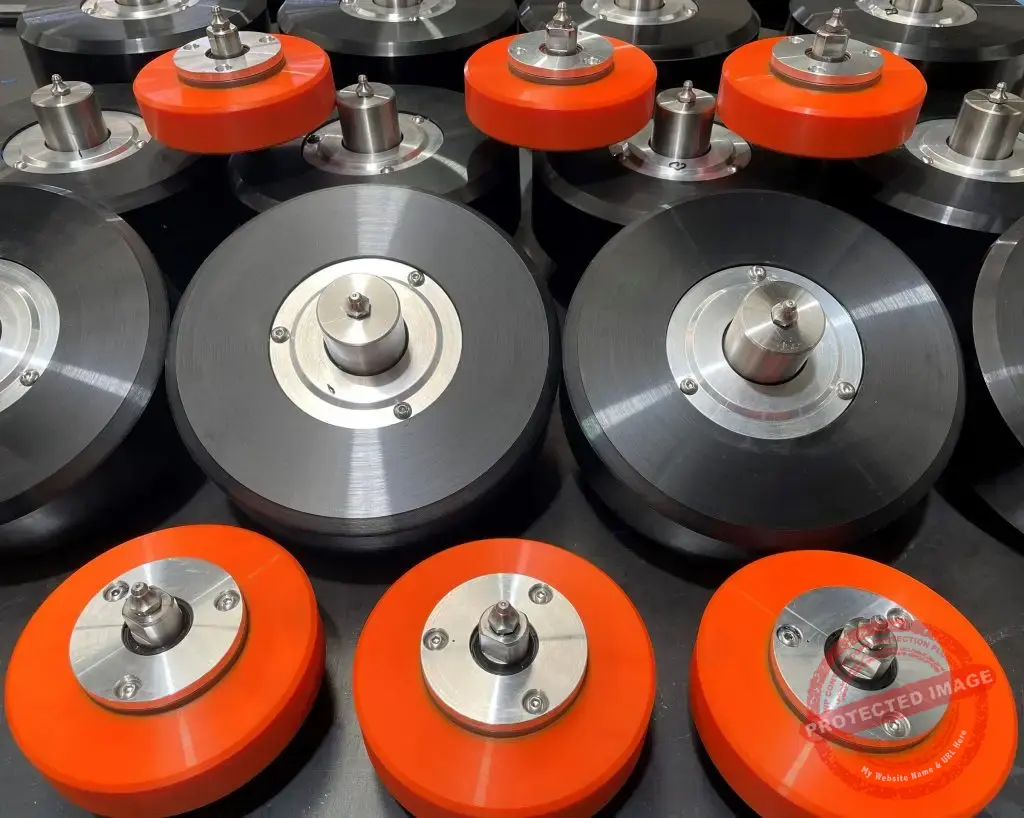
Polyurethane Wheels
Cast polyurethane wheels for mining, material handling, agriculture and marine applications. Custom sizing, hardness 40A–80D.
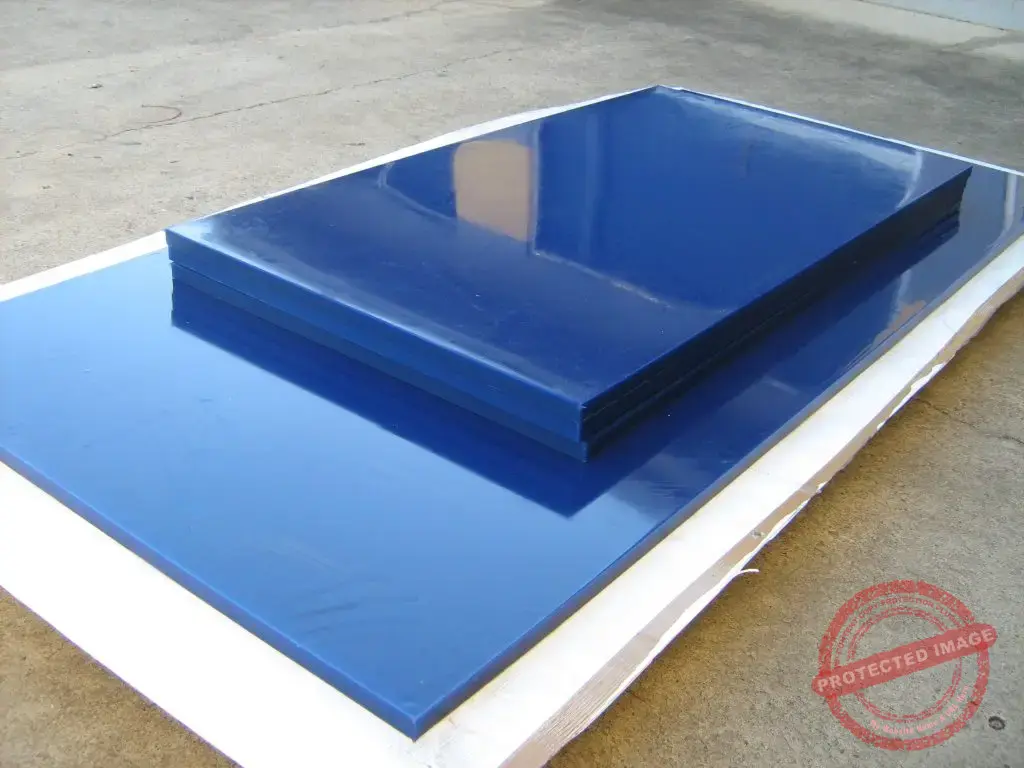
Polyurethane Sheet, Rod & Tube
Cast polyurethane sheet, rod, tube and bushes in standard and custom dimensions. Harder-wearing than rubber, stiffer than nylon.
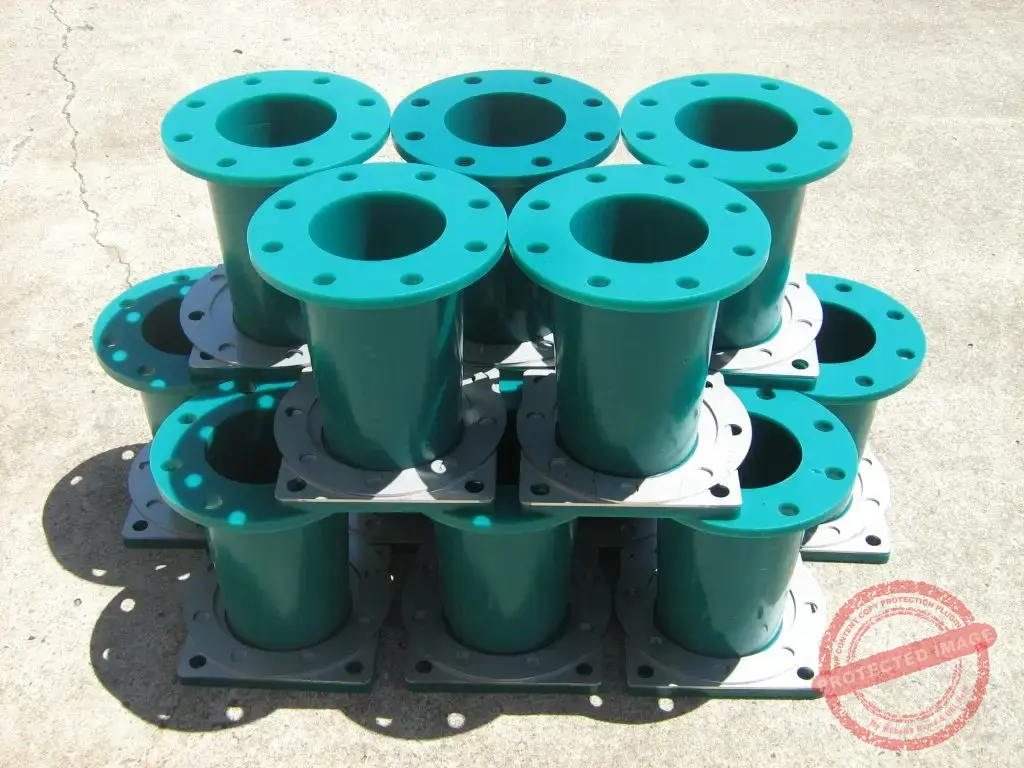
Custom Moulded Polyurethane
Full custom moulding from prototype to production run. In-house tooling, SolidWorks CAD, runs from 1 to 1,000+. No minimum order.